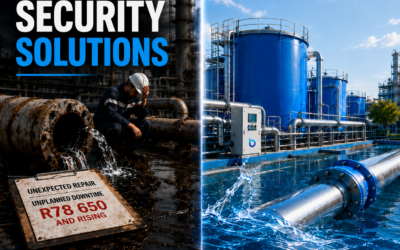
Defoamer solutions are essential for controlling foam in industrial water systems, where excessive foam is more than just an inconvenience—it can disrupt operations, damage equipment, and compromise water quality. At Blue Reef Water Solutions, we specialize in providing tailored foam control solutions to keep your systems running efficiently.
What is a Defoamer?
A defoamer, also known as an antifoam agent, is a chemical additive designed to eliminate or suppress foam in liquid processing systems. Foam typically forms when gas becomes trapped in a liquid, creating bubbles that accumulate on the surface. While this might seem harmless, in industrial processes, foam can lead to serious operational challenges, including inaccurate readings, overflow, and contamination.
Why Does Foam Form?
Foam formation is common in wastewater treatment solutions and industrial processes due to:
- Surfactants in industrial effluent – These compounds reduce surface tension, making foam more stable.
- Biological activity in aeration tanks – Microorganisms and organic matter can create persistent foam layers.
- Mechanical agitation during treatment – Mixing and pumping introduce air into the system, promoting foam formation.
The Impact of Foam on Industrial Systems
Uncontrolled foam can:
- Cause overflow in tanks and reactors, leading to product loss and safety hazards.
- Interfere with level sensors and flow meters, resulting in inaccurate readings.
- Increase wear and tear on pumps and equipment, reducing lifespan and efficiency.
- Compromise water quality, as foam can trap contaminants and microorganisms.
These issues can lead to costly downtime, increased maintenance, and compliance risks for industries that rely on precise water treatment processes.
How Do Defoamers Work?
Defoamers act by destabilizing foam bubbles, causing them to collapse and preventing new ones from forming. This ensures:
- Improved process control – Accurate measurements and stable operations.
- Enhanced equipment efficiency – Reduced downtime and maintenance costs.
- Better water quality – Clearer, cleaner water for reuse or discharge.
Benefits of Using Defoamers
- Cost Savings – Reduced chemical waste and maintenance costs.
- Operational Efficiency – Prevents foam-related disruptions.
- Regulatory Compliance – Helps meet environmental discharge standards.
Environmental Considerations
We prioritize sustainability by offering defoamers that help clients meet compliance standards without compromising performance.
Our Approach at Blue Reef
At Blue Reef Water Solutions, we assess each site’s unique conditions to recommend the most suitable defoamer – balancing performance, cost-effectiveness, and environmental impact. Our goal is to help you maintain operational efficiency while meeting sustainability targets.
Industries We Serve
Our defoamer solutions are used across:
- Industrial water treatment
- Effluent and process water systems
- Cooling towers and boilers
- Food & beverage production
- Chemical and paper manufacturing
Contact Us
Ready to improve your foam control strategy? Contact us today:
📧 Email: enquiries@bluereef.co.za
📱 Phone: +27 31 910 7500
Follow us on LinkedIn for the latest industry insights, company updates, and innovations: https://za.linkedin.com/company/blue-reef-water
Visit our website for more information: https://bluereef.co.za/